 CNA
CNA
Marisol Reyes
Senior caregiver, 9 years
Morning routines and mobility support. Speaks Spanish and English. Known for getting people to the breakfast table on bad days.

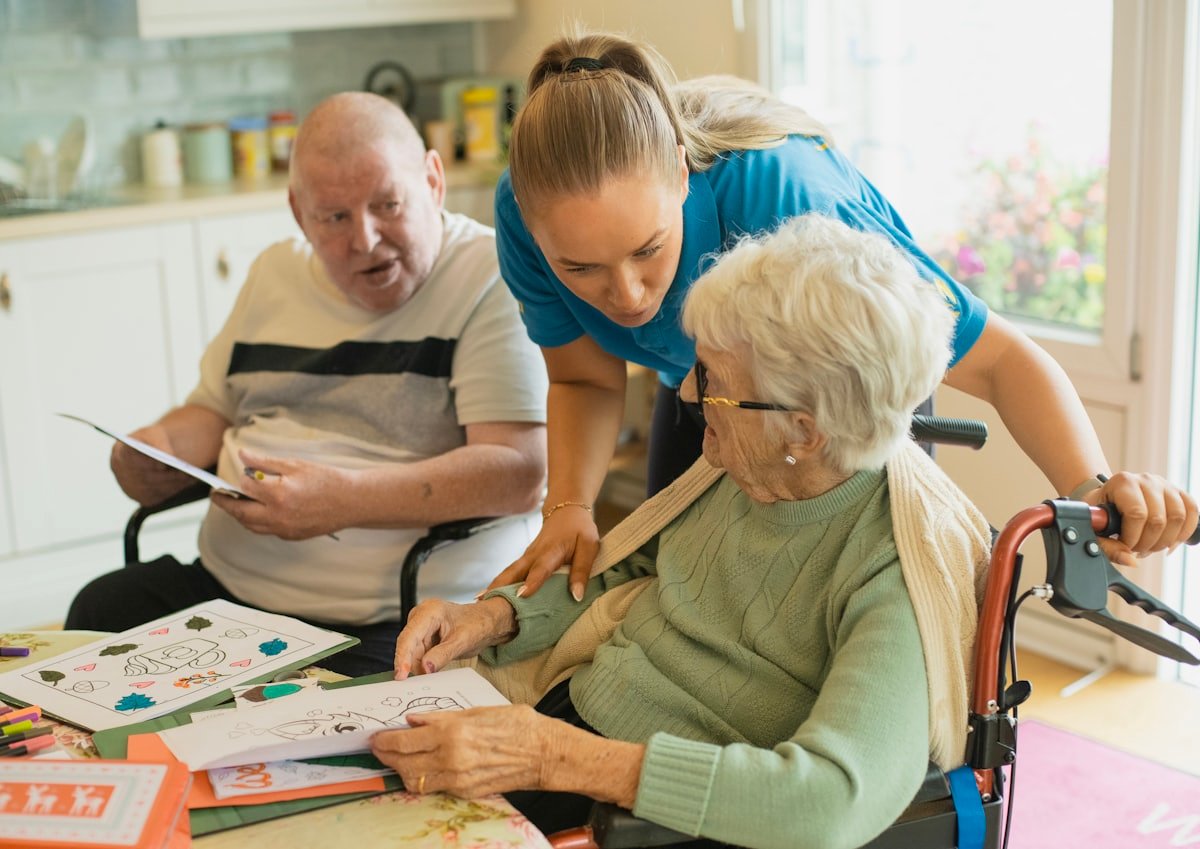
Started with one Saturday visit on Maplewood Lane. Same street, same standards.
About SWP Senior Care
Most people who call us are not looking for a facility. They want a way to keep a parent in the house they know, with the stairs they know and the neighbour who waves from across the road. That is the work we do.
Care plans are written with the person, not about them. We ask what a good day looks like before we ask what help is needed, and we build the schedule from there.
Two or three caregivers, matched once and kept. No rotating strangers at the door on a Tuesday morning.
Needs change. We sit down with the family each quarter and adjust hours, tasks and goals in writing.
Why families choose us
Good care is mostly consistency. Knowing which cupboard the mugs live in, that he takes the blue tablet after toast, that she will not say she is in pain unless you ask twice.
Talk to a care managerYou meet your caregivers before the first paid visit. If the match is wrong, we change it without a conversation about contracts.
Every visit is logged in plain English — what was eaten, what was taken, what was noticed. Sons and daughters out of state read the same notes we do.
Overnight sits, Sunday shifts and same-week cover when a family caregiver gets ill. The care line reaches a person, not a queue.
Meet the caregivers
These are field caregivers, not head-office staff. You meet yours before the first paid visit and you can ask for a different match at any point.
CNA
Morning routines and mobility support. Speaks Spanish and English. Known for getting people to the breakfast table on bad days.
 HHA
HHA
Dementia-trained, works the late-afternoon shifts most families find hardest. Builds routines that hold after she leaves.
 RN
RN
Runs the clinical side: wound care, medication reviews and the ninety-day plan reviews with the family and the doctor.
 CNA
CNA
Covers overnight sits and hospital discharges. Trained in safe transfers for clients who need two-person assistance.
About one in nine applicants makes it through. Nobody works unsupervised until they have shadowed three visits with a senior caregiver.
Two years of paid care experience and two contactable references.
CNA or HHA certification verified against the state registry.
State and federal criminal checks, plus a driving record review.
Scenario questions on dignity, refusal of care and reporting concerns.
Three supervised visits before any solo shift is scheduled.
How care begins
The first conversation is free and there is no assessment fee. Most families move from first call to first visit inside a week.
A care manager comes to the house, meets everyone involved, and looks at the stairs, the bathroom and the medication box. It takes about an hour.
Book a visitYou get a written plan with tasks, times and costs on one page. Change it, cut it in half, or take it away and think about it.
See the costsYou meet the caregivers before they start. Names, faces, and a schedule on the fridge so everyone knows who is coming and when.
See the team
Families we look after
We ask every family the same question at the ninety-day review: has this made the week easier? These are the answers we were given permission to publish.
I stopped dreading Sunday nights. Someone I trust is there on Monday morning, my mother likes her, and the notes tell me what I missed. That is the whole thing, really.

They asked what I still wanted to do rather than what I could no longer manage. I am back at the Thursday club and I did not have to give up the house to get there.

We called on a Thursday after a fall and had cover by the Saturday. Nobody talked us into more hours than we needed, and the care manager told us plainly which two we could drop after a month.

The respite cover is the only reason I still get to my own appointments. Same two people every week, so my wife knows them and I do not spend the whole afternoon worrying.

Service area
We only take on households our caregivers can reach reliably in bad weather. If we cannot promise to arrive on time, we say so on the first call and point you somewhere that can.
Tell us what this week looked like. A care manager calls back within one business day, often the same afternoon.
We never share your details. Sending this does not commit you to anything.
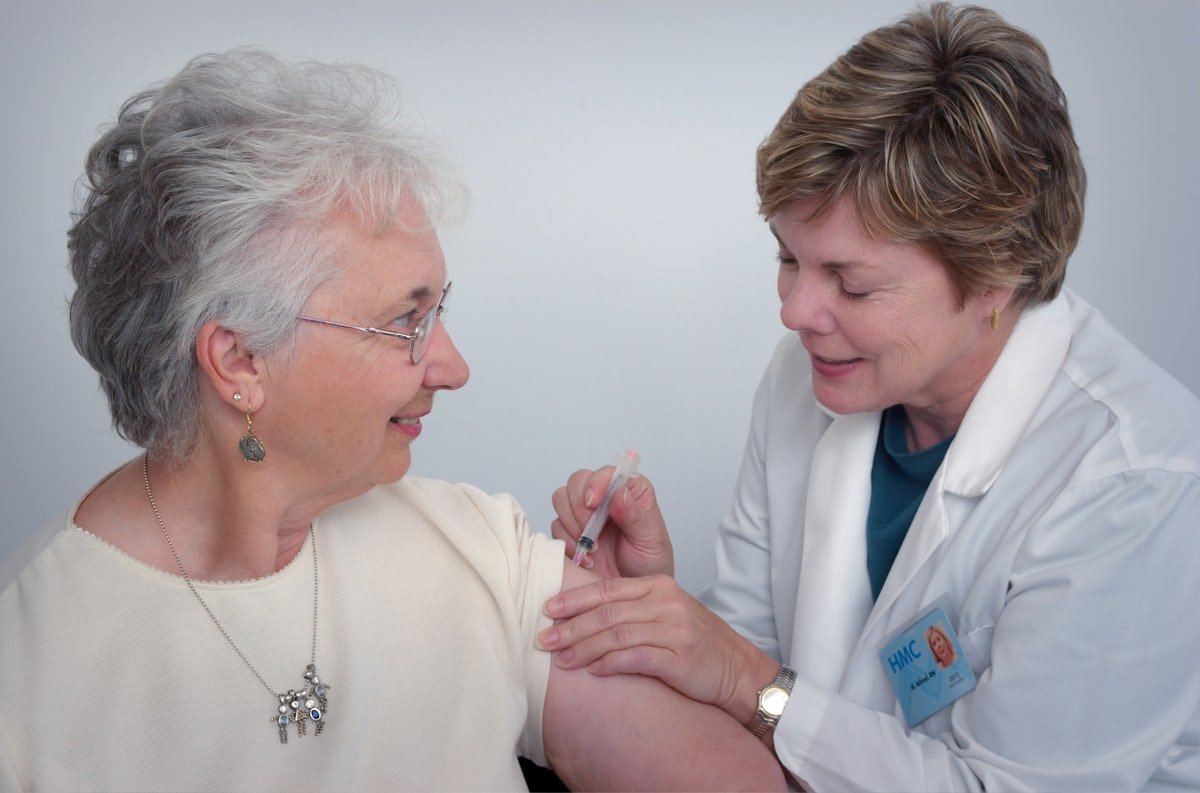
No fee, no obligation
A care manager will walk the house with you, look at the stairs and the bathroom, and tell you honestly if you need less than you think. It takes about an hour and costs nothing.