New patients welcome. Same-week appointments available.

Home / Services / Manual Therapy

Manual Therapy

Hands-on treatment that reduces pain quickly — and makes the real work possible.

  • 15 yrs Of clinical experience
  • 94% Report less pain by session six
  • 3–6 Visits to a noticeable change

Overview

What is Manual Therapy?

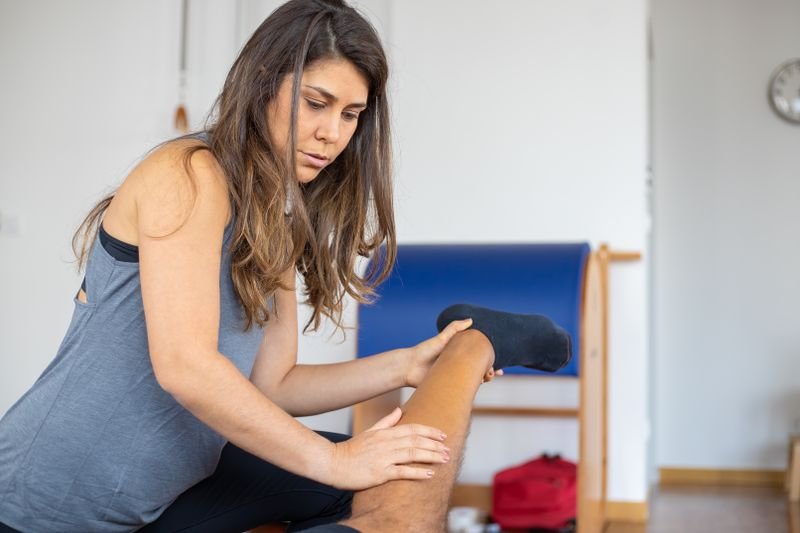
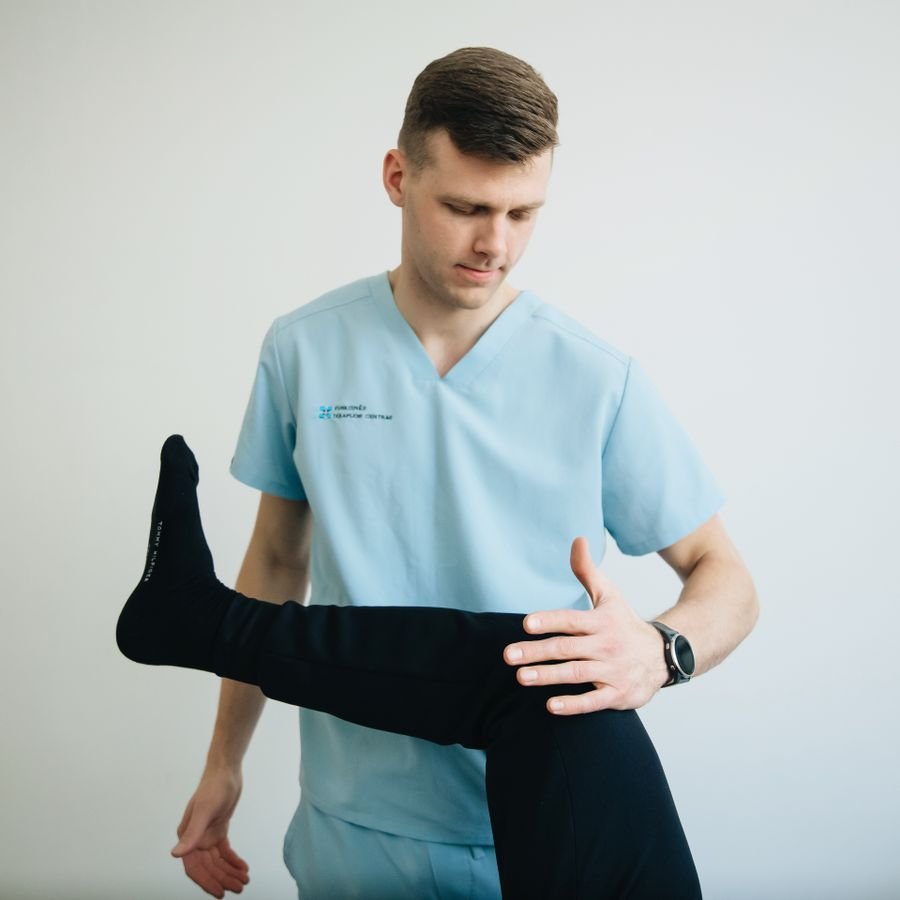
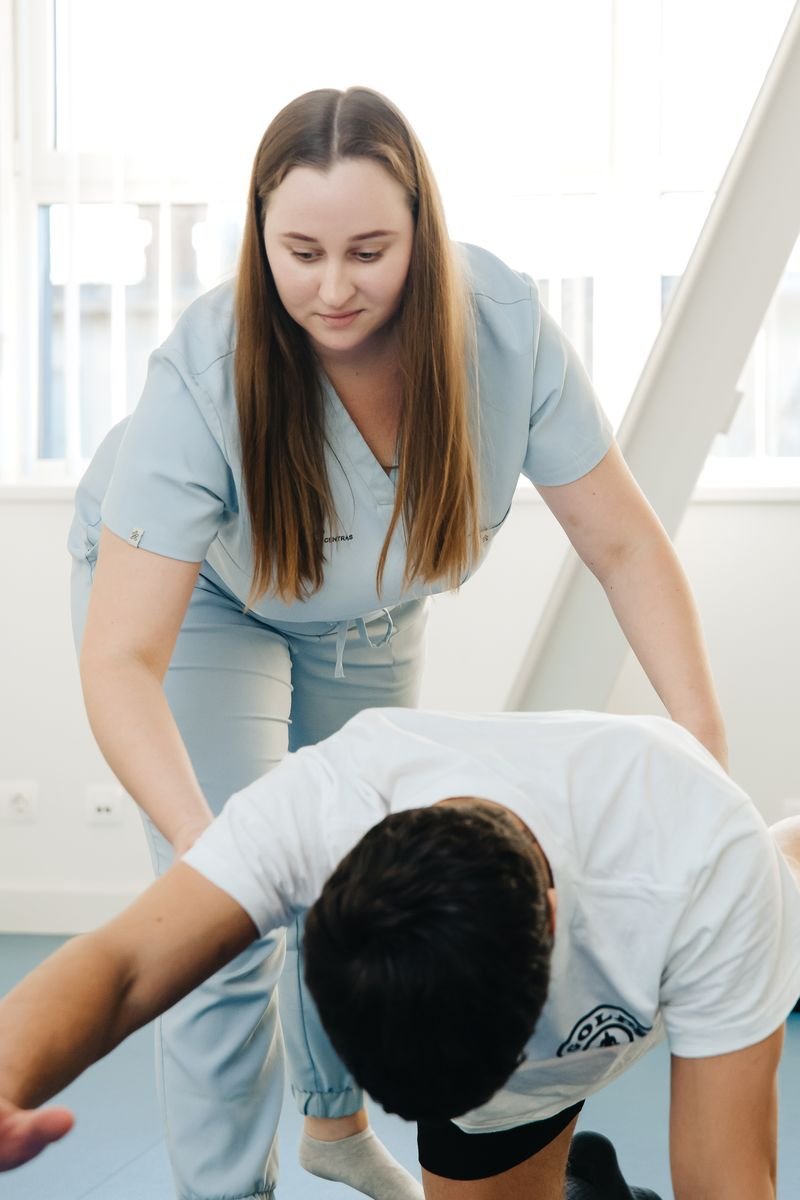
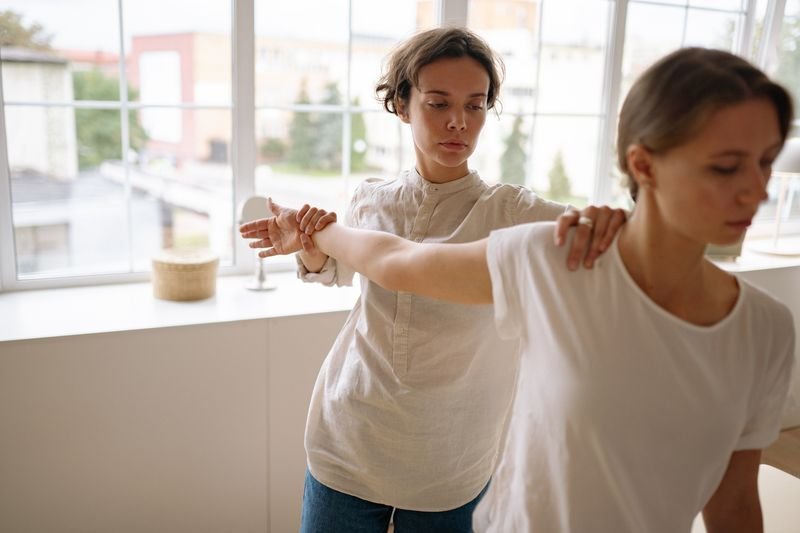
Hands-on treatment does two things well: it reduces pain quickly, and it opens a window in which exercise becomes possible. We use joint mobilisation, myofascial release, trigger point work and sports massage — always alongside active rehabilitation, never instead of it.

If a technique is going to be uncomfortable we tell you first, and we adjust pressure based on your feedback throughout.
Is this you?

Who it’s for

If any of these sound familiar, this is the right place to start.

Talk to a Physiotherapist
  • Pain that has lasted more than two or three weeks
  • A problem that keeps coming back after it settles
  • Stiffness or weakness that limits work, sport or sleep
  • Recovery after an injury, operation or a long period of rest
  • Movement you have quietly stopped doing because it hurts

Our method

How we help

Full movement assessment

We look at how the whole chain moves, not just the painful part, and find the link that gave way.

Hands-on treatment

Joint mobilisation, soft tissue release and manual therapy to settle pain and restore range quickly.

Progressive exercise

A graded programme that rebuilds strength and control so the problem stops returning.

Education and self-management

You leave understanding what happened, what helps, and what to do when it flares.

What to expect

Your rehabilitation journey

  1. 01

    Settle the pain

    Weeks 1–2. Hands-on treatment and load management bring symptoms down enough to move comfortably.

  2. 02

    Restore movement

    Weeks 2–4. Range of motion and control work returns normal mechanics to the affected area.

  3. 03

    Rebuild strength

    Weeks 4–8. Progressive loading builds capacity well beyond the point where the pain stopped.

  4. 04

    Return and protect

    Weeks 8+. Sport, work and daily demands are reintroduced, with a plan to keep you there.

Your first visit

What happens at your first session

No mystery, and no waiting a week to start treatment — the first appointment is an assessment and a treatment.

60 minutes

  • 1 A conversation about your history, your symptoms and your goals
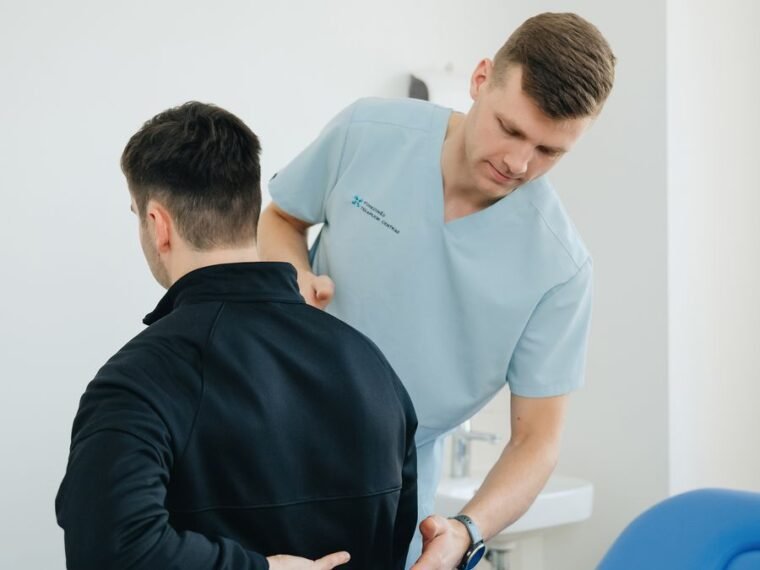
  • 2 A physical assessment of movement, strength, posture and joint range
  • 3 A clear explanation of what is causing the problem, in plain language
  • 4 Hands-on treatment in the same session
  • 5 A written plan with measurable goals and a realistic timeline

The difference

Why patients choose our clinic

One therapist, start to finish

You are not passed between staff. The clinician who assesses you is the one who treats you.

Appointments that are actually appointments

A full hour for your assessment, and no double-booking onto a gym floor.

Measured, not guessed

Progress is reassessed on schedule, so you can see what has changed rather than take our word for it.

Discharge is the goal

We aim to make ourselves unnecessary, and we tell you when you no longer need us.

What we treat

Techniques we use

A selection of the presentations we see most often in this service.

  • Joint mobilisation
  • Joint manipulation
  • Myofascial release
  • Trigger point therapy
  • Soft tissue massage
  • Muscle energy techniques
  • Neural mobilisation
  • Dry needling
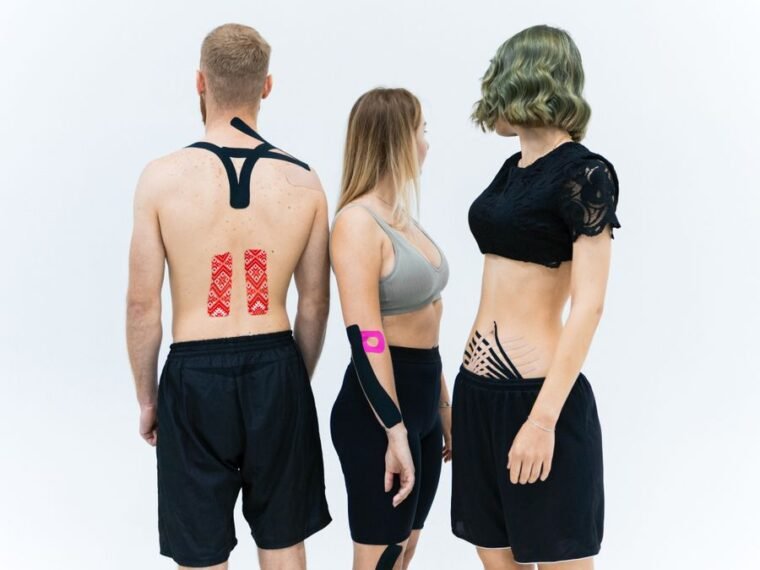
  • Kinesiology taping
  • Stretching and range-of-motion work

Testimonials

Don't just take our word for it. Hear it from our patients.

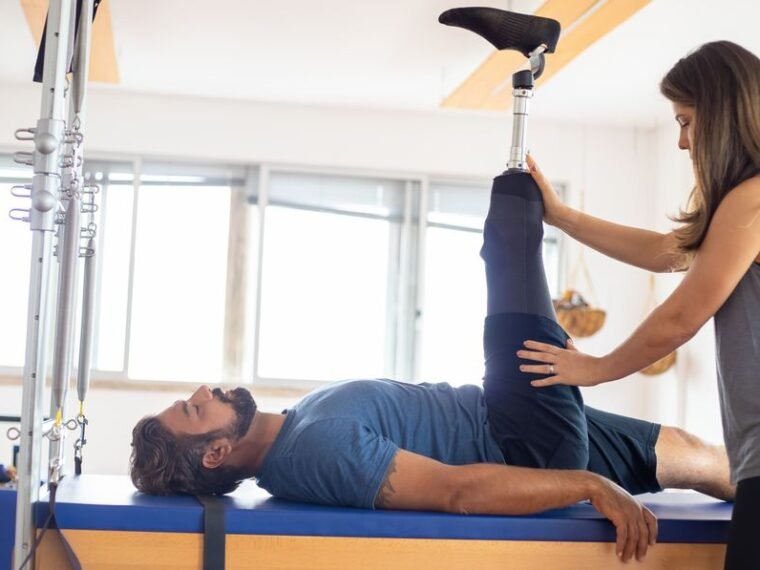
Rehab session in progress

“After my ACL surgery I couldn't climb stairs. Twelve weeks later I was jogging again. The team made every session count.”

Marcus L. Knee rehab patient
Shoulder rehabilitation
“My shoulder finally moves without pain.”

“Years of back pain, and they were the first to actually explain why. I sit at my desk pain-free now.”

Priya S. Lower back patient
Guided stretch therapy

“Six weeks of guided rehab did what eighteen months of painkillers never managed. I am back on the pitch.”

Daniel O. Sports injury patient

“They treated my mum after her hip replacement with more patience than I thought possible. She is walking to the shops again.”

Hannah W. Post-surgery rehab

“The home programme takes fifteen minutes and it is the only thing that has ever kept the sciatica away.”

Tom B. Spine program patient

Frequently asked questions

Questions about Manual Therapy

Does manual therapy hurt?

Some techniques are uncomfortable, but nothing should be severely painful. We tell you before anything that will feel intense, and adjust to your feedback throughout.

Is manual therapy enough on its own?

Rarely. It reduces pain and restores movement quickly, which opens a window for exercise — and the exercise is what makes the change last.

How is this different from a massage?

A sports massage treats tissue. Manual therapy is assessment-led: every technique is chosen to address a specific finding, and reassessed afterwards.

How often will I need it?

Typically weekly at first, tapering as your own strength work takes over. Most patients need far fewer hands-on sessions than they expect.

Ready to start Manual Therapy?

Book an assessment and find out what is actually causing your pain — before you commit to a treatment plan.