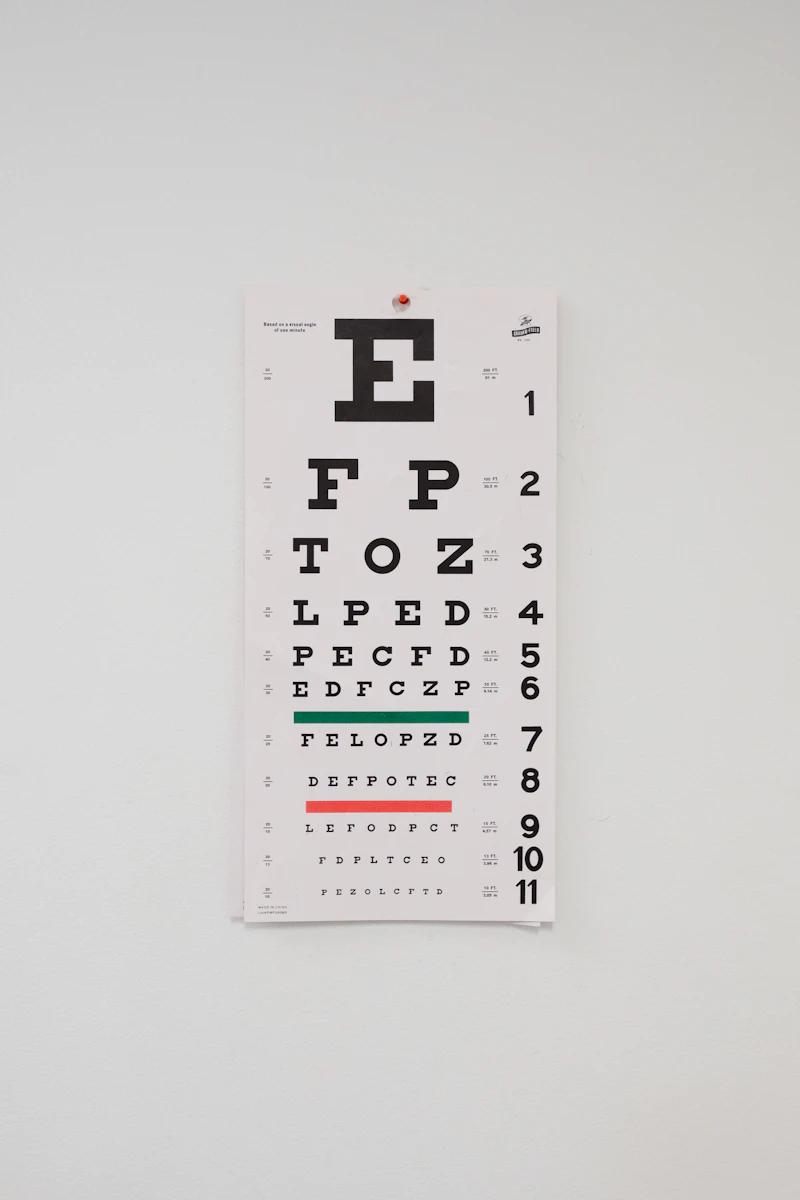
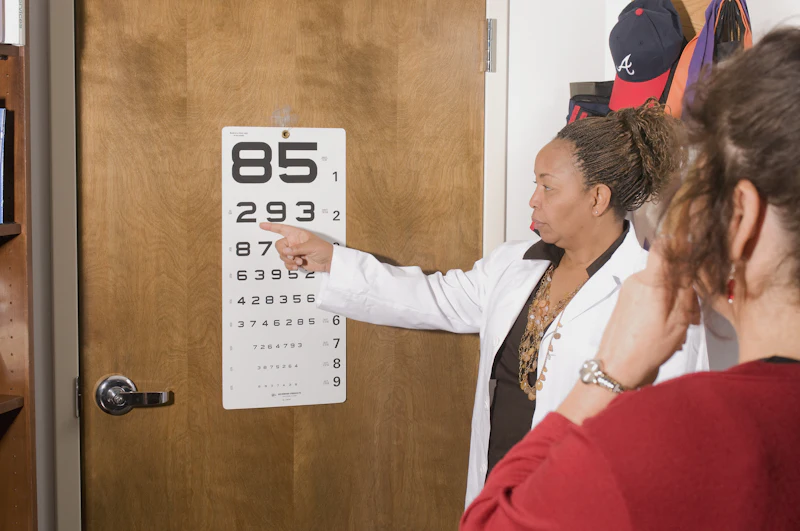
Short-sightedness in children has roughly doubled in a generation, and it is not simply that we are testing more.
Three things have reasonable evidence behind them. Time outdoors — around two hours a day — is the best-supported and the cheapest. Working distance matters: holding a book or a tablet closer than the length of the forearm accelerates progression. And specialist myopia-control lenses, whether spectacle or contact, slow axial elongation by a meaningful margin in most children who use them consistently.
What does not help is waiting. Progression is fastest between about seven and twelve, so the earlier a child is measured and tracked, the more there is to protect.