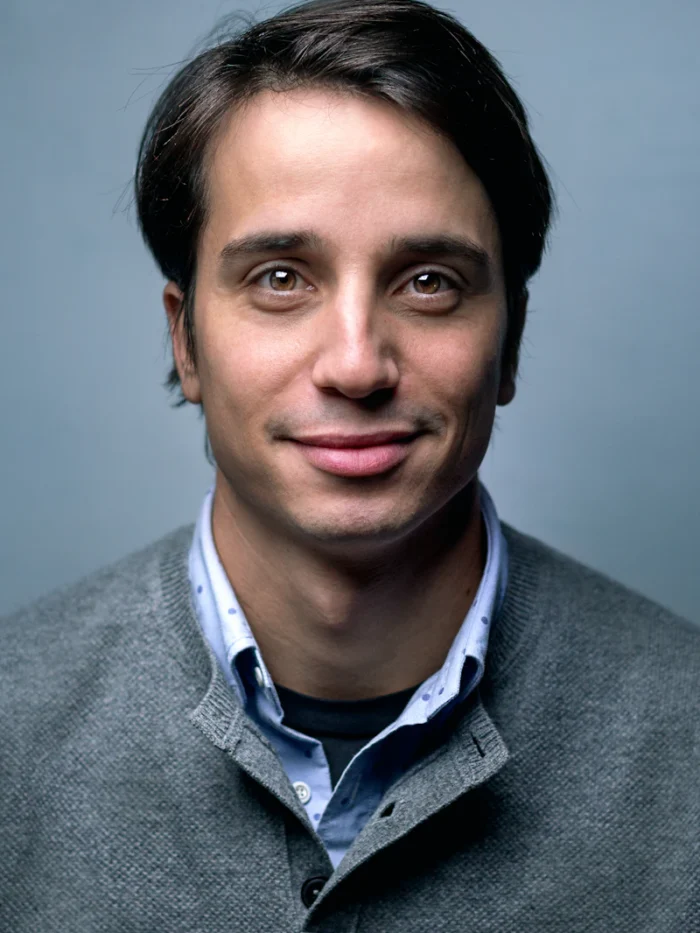
Ade Fenwick
Series director
Cut the Borneo canopy episode from nine months of unattended rig footage. Believes a sequence is finished when nothing else can be removed from it.

Four crews spent thirty-one months in the field to make four hours of television. We chose each location for a question rather than a view: what does an elephant herd do when the pans fail for the third year running, and what does a puma do when there is nowhere left to hide a kill?
Nothing in this series is staged, baited, or re-cut from library footage. Where we could not film a behaviour honestly, we left it out and said so in the episode notes — which are published in full alongside every film.
Four crews. Thirty-one months in the field. And one question we could not stop asking — how does anything still make a living out here?
Every animal in this series is solving a problem. A drying pan. A shorter winter. A forest cut into islands. We built the season around those problems rather than around scenery, and stayed long enough to watch them get solved — or not.
Nothing here is staged, baited, or re-cut from library footage. Where we could not film a behaviour honestly, we left it out and said so in the episode notes.
Every figure below is taken from the production log, not from the press pack.
Across nine field trips, the longest running 71 consecutive days without resupply.
Roughly 297 hours of footage shot for every hour that made the final cut.
Every permit secured through resident partners, with local crew on each shoot day.
Nine sequences reviewed by external biologists and confirmed as first-of-kind footage.
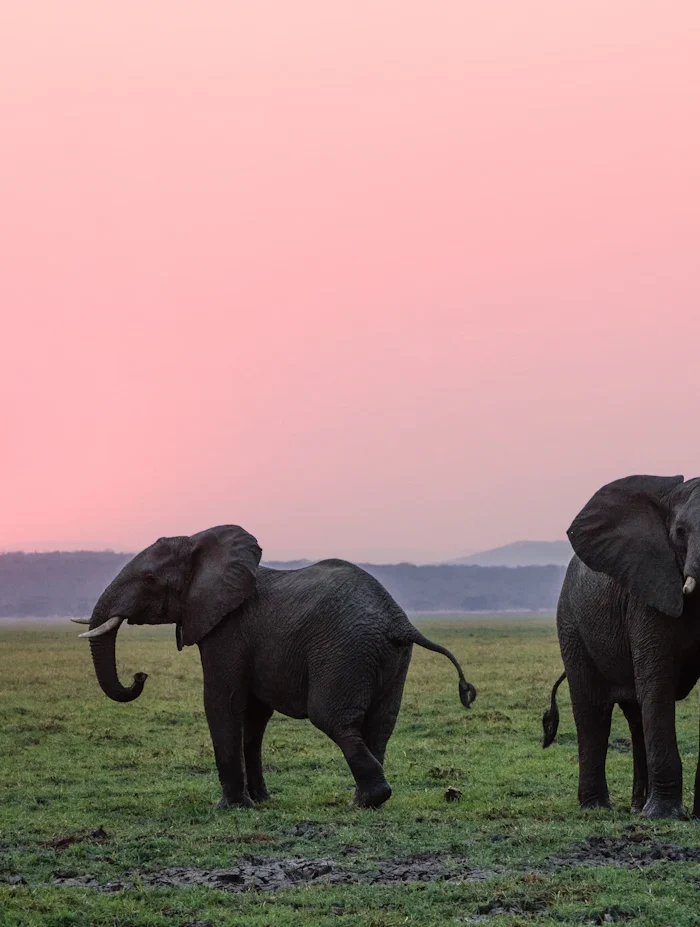 Ep 01 · Frame 0412
She is fifty-eight years old and the only reason her family is still alive. When the seasonal pans failed in the third year of drought, she walked her herd 210 kilometres to a spring she last drank from as a calf — a route none of the younger cows had ever travelled.
Our tracking team followed at 400 metres for eleven weeks. She never once stopped to search. She simply walked, and everyone behind her learned the way.
Written before the first shoot and audited after each one. Any crew member can stop a shot under them, and three shots were stopped.
Minimum approach distances are set by the resident biologist, not the director. If an animal changes what it is doing because of us, the camera stops and we withdraw.
We do not feed, lure, or draw animals with recorded calls. Every behaviour in the series happened whether or not a camera was present.
Twenty-two of our thirty-one field roles were filled by people living inside the areas we filmed. Fixers are credited on screen as crew, not as service providers.
Coordinates for denning, nesting, and rhino sequences are stripped from all published material. We will not trade an animal's safety for a location tag.
A fixed share of every licensing fee goes back to the ranger units and community trusts that made the filming possible — committed at contract stage, not decided afterwards.
Read the policySeries director
Cut the Borneo canopy episode from nine months of unattended rig footage. Believes a sequence is finished when nothing else can be removed from it.
Lead camera
Shot the 34-day elephant walk on a long lens from a moving vehicle. Holds the production record for consecutive days without a usable shot: eighteen.
Field biologist
Sets approach distances and can end any shot. Spent the Patagonia winter scat-sampling to confirm the puma's litter before we filmed her.
Location sound
Recorded the Arctic ice-shift audio that opens episode four. Every ambience in the series is location sound — there is no library track in the mix.
It refuses the usual triumphant score and lets you sit in the silence of an animal deciding what to do next. That restraint is the whole achievement.Marisol Vane The Evening Review
The episode notes tell you exactly what was not filmed and why. I cannot think of another natural history series willing to do that.Dr Ingrid Solberg Field Ecology Quarterly
Eleven weeks with one herd, and you feel every one of them. By the final crossing you know the animals well enough to be frightened for them.Callum Reyes Northbank Film Journal
A season that trusts its audience to wait. The Arctic episode alone justifies the three years it took to make.Hana Delacroix Continental Broadcast
Shoot notes, unpublished stills, and next season's schedule before it goes public. No sponsorship, no forwarding, one click to stop it.
Roughly 11 letters a year. We have never sent two in a week.