Product Craft
Roadmaps pulled apart on air, with the trade-offs and the losing options left visible instead of tidied away.
Sessions
We hand the microphone to people who still do the work daily. Every hour is rehearsed, captioned, and archived within the same afternoon — so you can follow along live or catch the whole thing later without begging for a link.
Next broadcast: Reading An Incident Timeline Without Blame — October 22, 2026, 04:00 PM – 05:00 PM CT
Reserve a seatSWP Webinar started as an internal Thursday habit: three colleagues, one shared screen, and a rule that nobody was allowed to open a slide deck. That rule survived. Six years on, the format is unchanged and the audience is a good deal larger.
We do not chase headline names. We look for the person who fixed the thing last quarter and can still explain how, out loud, while somebody interrupts them with a better question.
Six standing tracks, each with its own regulars and its own arguments. Subscribe to one and we will only nudge you when that track goes live — nothing else lands in your inbox.
Browse All TracksRoadmaps pulled apart on air, with the trade-offs and the losing options left visible instead of tidied away.
SessionsDashboards built from a raw export while you follow along in your own sheet. Bring the messy file; that is the point.
SessionsToken audits, component pruning, and the honest disagreements about naming that usually get edited out of talks.
SessionsPipeline reviews hosted by operators who still carry a number, using deals that did not close as often as ones that did.
SessionsRefactors walked through commit by commit, incident timelines read aloud, and the awkward middle of shipping.
SessionsFirst-year manager problems handled plainly, without the leadership poetry or the borrowed military metaphors.
Sessions
Audio dropped out, or the join link refusing to behave? A producer answers in under four minutes for the whole length of any live broadcast.
The shape of the hour changes the kind of answer you get. Pick the one that matches how much you want to type versus how much you want to listen.
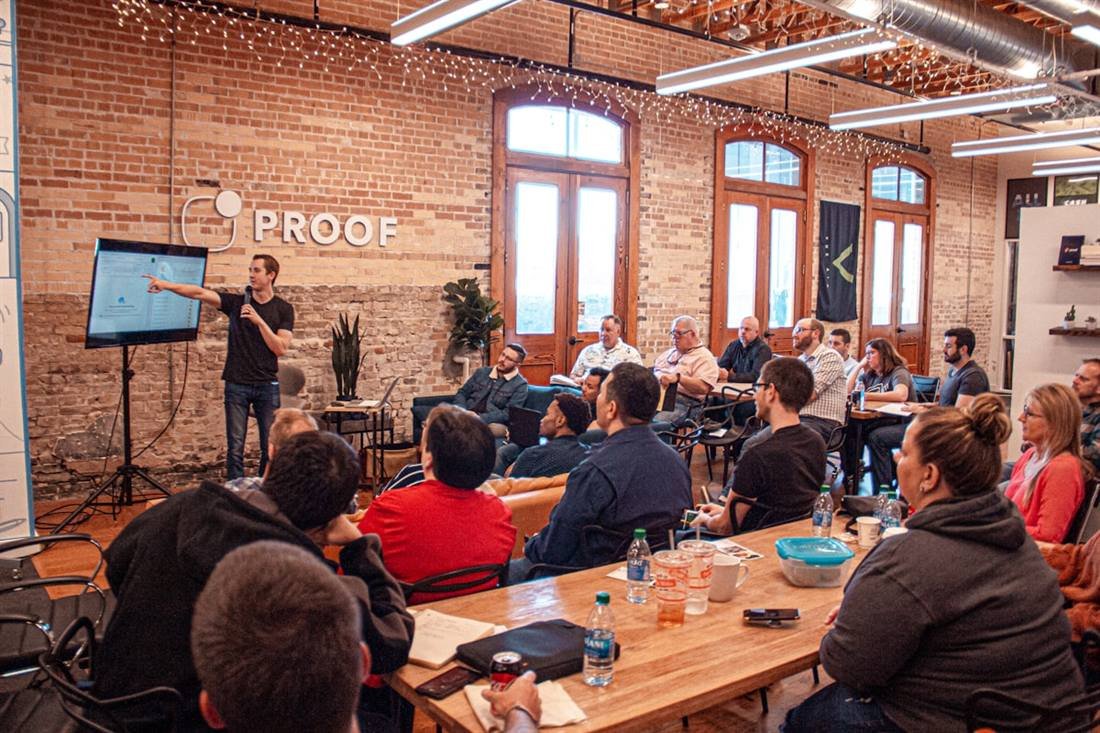
Hands stay on keyboards the whole time. You leave with the thing built, not a plan to build it later.
Capped at 40 seatsOne volunteer submits real work and it gets reviewed live, kindly but without softening the findings.
Volunteer requiredA single guest, zero slides, and questions from the first minute rather than the last five.
Chat drives itBring one stuck problem. Leave with a next step you can actually take on Monday morning.
Queue opens 24h beforeSeats open two weeks ahead and the waitlist moves quickly. Booking one also drops the replay into your library, whether or not you make it on the night.
Fifteen years selling software nobody asked for, and a talent for reading a stalled deal out loud.
Deletes more components than she ships and can defend every removal without raising her voice.
Carries a pager willingly and treats every postmortem as a story with a fixable middle.
No contracts and no sales call. Move up or down a tier whenever you like; the vault stays open while your pass is active.
For the curious. Sit in on one live hour a month and decide whether the format suits how you learn.
No card requested at any point
For people who block the same hour every week. Everything live, everything archived, nothing gated afterwards.
Cancel any month, keep the current one
For a team that would rather watch together. Ten seats, shared notes, and an hour we run on your topic.
Extra seats billed at $7 each
I came in expecting a polished talk and got a shared screen with a broken spreadsheet on it. Rebuilt our reporting the following week using exactly what was shown.
 Teodora Sallins
Analytics Lead, Brindlecourt
Teodora Sallins
Analytics Lead, Brindlecourt
Our whole squad watches on the meeting room screen now. The chat desk actually reads what you type, which is more than I can say for most events.
 Kwabena Ottoline
Engineering Manager, Halvorsen Labs
Kwabena Ottoline
Engineering Manager, Halvorsen Labs
Volunteered my landing page for a teardown, braced for a beating, and got a list of six fixes instead. Three of them took an afternoon.
 Rosalind Merrick
Founder, Fenwick & Pike
Rosalind Merrick
Founder, Fenwick & Pike
We deleted forty components after that workshop. Nobody has missed one. The recording is now required watching for anyone joining the systems team.
 Anselm Baptiste
Head of Design, Corriveau
Anselm Baptiste
Head of Design, Corriveau
The transcript search is the underrated part. I found the exact ninety seconds I half-remembered from a session six months earlier and sent it to my team.
 Priya Nandakumar
Product Lead, Westerholm
Priya Nandakumar
Product Lead, Westerholm
A fireside where the host read out their own incident timeline and stopped at the parts that still make them wince. I have never learned more in an hour.
 Soren Halvorsen
Staff Engineer, Kestrel Systems
Soren Halvorsen
Staff Engineer, Kestrel Systems

Files, archives, and the paperwork speakers ask for. Nothing here sits behind a form you have to fill in twice.
If yours is not covered here, write to us. A person reads that inbox and usually replies the same working day.
Ask The DeskNo. Booking a seat attaches the replay to your library whether you show up or not. Drop-In passes keep it for forty-eight hours; Regular and Studio Team passes keep it for as long as the pass is active.
Workshop Hours run twice, morning and late afternoon Central, because typing along in real time only works if you are awake. Fireside Threads and Teardowns run once and rely on the replay.
Yes, and we are usually short of volunteers rather than swimming in them. Send a link and a sentence about what worries you. We confirm scope with you before anything goes on air, and you can pull out until the morning of the broadcast.
We cut to a backup feed, which usually costs about eight seconds. If a session is genuinely lost, everyone booked is moved to the rerun automatically and the pass month is not counted.
There is, and it is not means-tested. Write to the desk from any address, tell us roughly what you are working on, and we will move you onto the reduced rate without further questions.
Tell us which session you want and we will confirm by email within one working day. If you are weighing up a pass or a team rate instead, say so in the message and a person will answer — there is no sales sequence waiting on the other side of this form.
Short pieces on running sessions, hosting guests, and the small production choices that decide whether an hour lands.
The second run is never about the content. It is about finding the four minutes where the host is guessing rather than…
Read The NoteEvery extra gate buys a few contact details and costs you the person who would have watched the whole thing and told…
Read The NoteTwelve people with one real problem each will teach a room more than a single expert with forty slides.
Read The Note